10 Retail Analytics Metrics Every Store Owner Should Track
Track 10 essential retail analytics metrics to boost sales, inventory, and customer loyalty. Learn what matters most for your store.
By Posterita Team
10 Retail Analytics Metrics Every Store Owner Should Track
In today's competitive retail landscape, data is your competitive advantage. Store owners who understand their business through retail analytics metrics make smarter decisions, optimize operations, and ultimately increase profitability. Yet many retailers still rely on gut feelings rather than concrete numbers to run their stores.
The challenge isn't collecting data—modern POS systems capture plenty of it automatically. The real challenge is knowing which metrics matter most and how to act on them. This guide walks you through the 10 essential retail analytics metrics that will transform how you run your business.
Why Retail Analytics Metrics Matter
Before diving into specific metrics, let's understand why tracking them is non-negotiable. Retail analytics metrics provide visibility into customer behavior, inventory health, staff performance, and financial health. Without this visibility, you're flying blind.
Store owners who actively monitor key metrics report higher profit margins, better inventory management, and improved customer satisfaction. They can identify problems before they become crises and capitalize on opportunities quickly.
The companies that thrive are those that use data to inform every business decision, from staffing levels to product selection.
1. Sales Per Square Foot
Measuring Store Efficiency
Sales per square foot tells you how efficiently your store space generates revenue. Calculate this by dividing total sales by your store's square footage. A typical retail benchmark ranges from $150-$300 per square foot, though this varies by industry.
This metric helps you identify underperforming areas of your store. If your entrance generates $400 per square foot but your back corner only manages $50, you might need to reconsider your layout or product placement. Use this insight to optimize floor space and boost overall profitability.
2. Average Transaction Value (ATV)
Growing Revenue Per Customer
Your Average Transaction Value is calculated by dividing total revenue by the number of transactions. This metric reveals whether customers are making small impulse buys or larger purchases.
To increase ATV, consider:
- Implementing strategic product bundling
- Training staff on upselling techniques
- Creating purchase incentives at certain thresholds
- Improving product discovery through better displays
A POS system like Posterita makes tracking ATV trends effortless, showing you which team members, time periods, and products drive higher transaction values.
3. Inventory Turnover Rate
Optimizing Stock Management
Inventory turnover measures how many times you completely sell and replace your inventory within a period. A higher turnover rate generally indicates strong sales and good inventory management, while a low rate suggests overstocking or slow-moving products.
Calculate it as: (Cost of Goods Sold) ÷ (Average Inventory Value). Regular monitoring helps you:
- Reduce carrying costs and storage needs
- Minimize dead stock and obsolescence
- Improve cash flow tied up in inventory
- Identify which products to order more frequently
4. Customer Acquisition Cost (CAC)
Measuring Marketing Efficiency
How much do you spend to acquire each new customer? CAC is calculated by dividing total marketing expenses by the number of new customers acquired in a period. Understanding this metric helps you evaluate whether your marketing efforts deliver real ROI.
Track which channels (social media, email, local ads, partnerships) bring customers at the lowest cost. Then double down on those channels while reassessing underperforming ones. Over time, you'll build a more efficient, profitable marketing strategy.
5. Customer Lifetime Value (CLV)
Building Long-Term Relationships
Customer Lifetime Value represents the total profit you expect from a customer relationship. It's one of the most important retail analytics metrics because it shows whether you're building sustainable business growth.
A high CLV relative to CAC indicates strong business health. If your CLV is only slightly higher than CAC, you need to focus on customer retention and repeat purchases. Strategies include loyalty programs, personalized offers, and excellent customer service.
6. Conversion Rate
Turning Browsers Into Buyers
Your conversion rate is the percentage of store visitors who make a purchase. Track this by dividing total transactions by foot traffic. Average retail conversion rates range from 20-40%, depending on your category.
A low conversion rate suggests friction in your customer journey. Investigate:
- Checkout speed and ease
- Product availability and merchandising
- Staff availability and helpfulness
- Pricing competitiveness
- Store cleanliness and organization
7. Gross Profit Margin
Understanding Your Bottom Line
Gross profit margin shows what percentage of revenue remains after accounting for cost of goods sold. It's calculated as: (Revenue - COGS) ÷ Revenue. This fundamental metric reveals pricing strategy effectiveness and supplier negotiation power.
Monitor margin by product category, supplier, and season. You might find that certain product lines have inherently higher margins than others. Use this insight to guide purchasing decisions and promotional strategy.
8. Days Sales of Inventory (DSI)
Managing Cash Flow Through Inventory
Days Sales of Inventory measures how long, on average, inventory sits on shelves before selling. A lower DSI generally indicates healthier cash flow. Calculate it as: (Average Inventory ÷ COGS) × Number of Days.
Seasonal products naturally have higher DSI during off-seasons. But persistent high DSI signals slow-moving products that consume valuable shelf space and capital. Consider markdowns, promotions, or discontinuation for these items.
9. Employee Productivity and Sales Per Employee
Measuring Team Performance
Sales per employee shows how much revenue each team member generates. This helps identify top performers, training needs, and appropriate staffing levels. Calculate it as: Total Sales ÷ Number of Employees.
Strong performers deserve recognition and opportunities for growth. Underperformers might need additional training, mentoring, or reassignment. The goal isn't to punish but to develop a high-performing team that drives business growth.
10. Year-Over-Year (YoY) Growth Rate
Tracking Long-Term Progress
YoY growth compares performance across the same periods in different years, accounting for seasonal variations. It reveals whether your business is expanding or contracting in meaningful ways.
Track YoY growth for revenue, profit, customer count, and key product categories. Declining growth requires investigation—are market conditions shifting? Is competition increasing? Have you failed to adapt to customer preferences? Understanding these questions helps you stay ahead of trends.
Implementing Analytics in Your Store
Tools and Best Practices
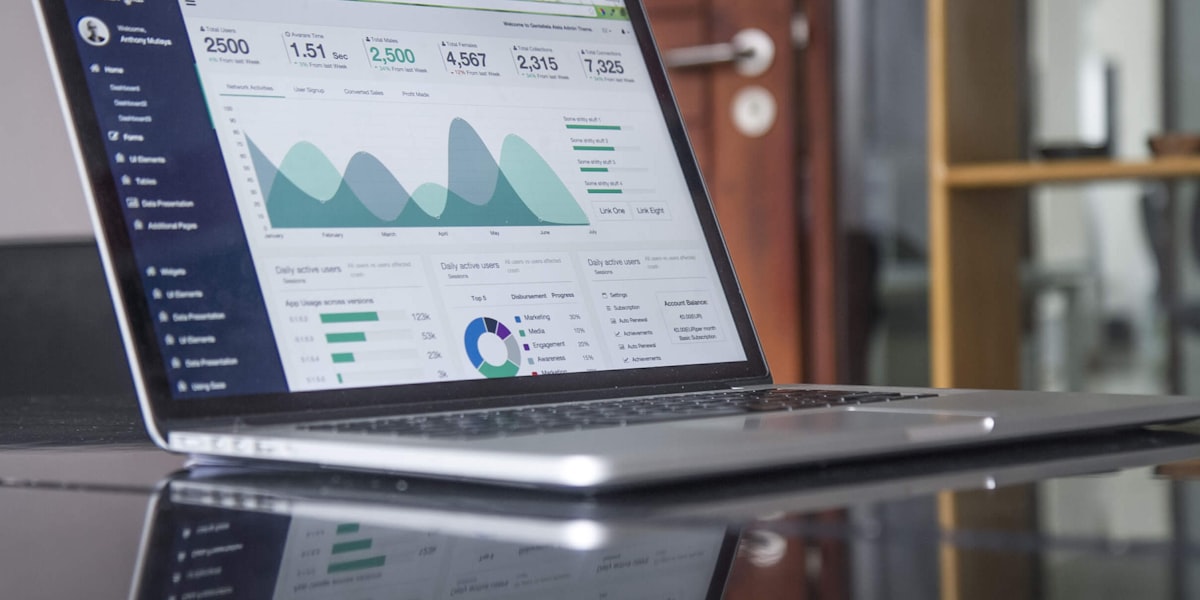
The best POS systems automatically track most of these retail analytics metrics and present them in easy-to-understand dashboards. Posterita POS provides comprehensive reporting capabilities that help you monitor these metrics without requiring a data science degree.
When implementing analytics:
- Start with the metrics most relevant to your business
- Set baseline numbers and realistic improvement targets
- Review metrics weekly or monthly, not just annually
- Share relevant metrics with your team to drive accountability
- Look for trends and patterns, not just single data points
- Test changes and measure their impact
Creating a Data-Driven Culture
Using retail analytics metrics effectively requires more than software—it requires a mindset shift. Encourage your team to think in terms of data. When someone suggests a change, ask "How will we measure success?" When sales dip, analyze data before making reactive decisions.
Share metrics with your team. When employees understand how their work impacts key numbers, they feel more invested in results and often generate valuable improvement ideas.
Conclusion: Data-Driven Success Starts Here
Tracking the right retail analytics metrics transforms how you run your store. Rather than wondering whether your business is healthy, you'll know exactly where you stand and where to improve. You'll make faster decisions with greater confidence, reduce waste, and ultimately grow profitability.
The good news? You don't need complicated tools or a team of analysts. A modern POS system handles the data collection and reporting, freeing you to focus on strategic decisions that grow your business.
Ready to implement these metrics in your store? Start with Posterita POS today and gain instant access to powerful analytics that help you track every metric mentioned in this guide. Your data-driven retail future starts now.