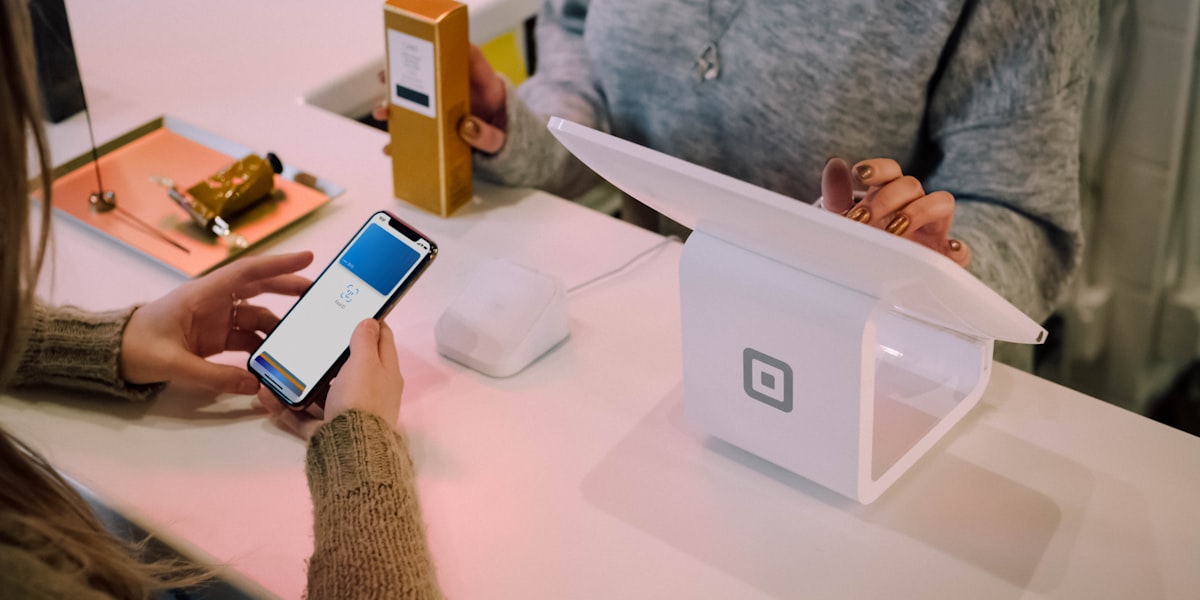
Digital vs Paper Receipts: Why Modern POS Systems Are Going Paperless
Explore digital vs paper receipts and discover why modern POS systems are embracing paperless solutions for better sustainability and customer experience.
By Posterita Team

Digital vs Paper Receipts: Why Modern POS Systems Are Going Paperless
The checkout experience has transformed dramatically over the past decade. Where customers once expected a printed receipt handed over the counter, many now prefer a digital alternative sent straight to their email or phone. This shift represents more than just a convenience upgrade—it's a fundamental change in how businesses operate and interact with their customers.
The debate between digital receipts vs paper receipts is no longer about which one is "better." Instead, forward-thinking businesses are recognizing that offering both options, with a strong emphasis on digital alternatives, has become essential for staying competitive. Let's explore why modern POS systems are prioritizing paperless solutions and how this benefits your business.
Understanding the Shift from Paper to Digital Receipts
For over a century, paper receipts were the only way to document transactions. Customers kept them for warranty purposes, returns, and record-keeping. However, the rise of digital technology has challenged this necessity. Today's sophisticated POS systems can deliver detailed transaction records instantly through multiple channels, making paper receipts feel increasingly outdated.
The comparison between digital vs paper receipts has become particularly relevant as environmental concerns and operational efficiency drive business decisions. Modern retailers are discovering that going paperless isn't just environmentally responsible—it's often more cost-effective and customer-friendly.
The Environmental Impact of Paper Receipts
The environmental toll of paper receipts is substantial but often underestimated. In the United States alone, approximately 10 million tons of receipt paper are printed annually. Most receipts are made from thermal paper, which requires special bleaching processes and cannot be recycled with standard paper products.
- Thermal receipts contain chemicals like BPA that contaminate recycling streams
- They contribute to deforestation and water pollution during manufacturing
- Most printed receipts end up in landfills within days of purchase
- The production process generates significant carbon emissions
By transitioning to digital receipts, businesses can significantly reduce their environmental footprint. This resonates particularly well with eco-conscious consumers who actively support companies demonstrating environmental responsibility.
Key Advantages of Digital Receipts for Businesses
Cost Savings and Operational Efficiency
One of the most compelling reasons businesses are choosing digital over paper receipts is the immediate cost reduction. Thermal paper, printer maintenance, ink cartridges, and paper roll replacements add up quickly across multiple checkout stations.
Consider these concrete savings:
- Elimination of receipt paper supplies (often $2,000-$5,000 annually for small retailers)
- Reduced printer maintenance and replacement costs
- Lower operational overhead for supply chain management
- Decreased time spent managing and replacing paper rolls
Modern POS systems like Posterita handle digital receipt delivery automatically, allowing staff to focus on customer service rather than printer maintenance.
Enhanced Customer Experience
Customers increasingly prefer digital receipts. They can access them anytime through email or mobile apps, never worrying about losing a physical receipt. This convenience factor drives customer satisfaction and loyalty.
When comparing digital receipts vs paper receipts from a customer perspective, digital options offer:
- Instant access from any device or location
- Permanent digital record that never fades or deteriorates
- Easy searching and organization of purchase history
- Simplified returns and warranty claims without physical proof
- Integration with budgeting and expense tracking apps
Data Analytics and Marketing Opportunities
Digital receipts provide valuable data that paper receipts never could. When customers receive digital receipts, businesses gain insights into purchasing patterns, preferences, and frequency. This information enables targeted marketing campaigns and personalized customer experiences.
Advanced POS systems can analyze digital receipt data to:
- Identify top-performing products and categories
- Segment customers for personalized promotions
- Track customer lifetime value
- Optimize inventory based on actual purchasing behavior
- Create targeted loyalty programs
The Case for Paper Receipts (When They Still Matter)
Specific Scenarios Where Paper Receipts Remain Relevant
While digital receipts represent the future, paper receipts haven't completely disappeared. Some situations still warrant printed receipts:
- Customers without email or smartphones: Elderly customers or those preferring traditional methods
- Immediate verification needs: Quick product verification for exchanges or returns
- Business purchases: Some companies still require physical documentation for accounting
- Regulatory compliance: Certain industries or jurisdictions may mandate paper receipts
- Technical failures: Backup when digital systems experience outages
The best approach is offering choice. Modern POS systems should accommodate both preferences, allowing customers to select their preferred receipt method at checkout.
Best Practices for Implementing Digital Receipt Systems
Making the Transition Smooth
Switching from paper to digital vs paper receipts strategies requires thoughtful planning. Here's how to implement this transition effectively:
1. Choose the Right POS Technology
Select a POS system that seamlessly handles digital receipts. The platform should support multiple delivery methods—email, SMS, and mobile app notifications—giving customers flexibility. Systems should also integrate with email service providers for professional branding and reliable delivery.
2. Educate Your Team and Customers
Train staff to confidently explain digital receipt benefits and make it easy for customers to opt in. Place clear signage at checkout points explaining the process. Many customers simply need reassurance that digital receipts are secure and easily retrievable.
3. Ensure Security and Privacy
Digital receipts contain sensitive transaction information. Ensure your system encrypts data, complies with privacy regulations (GDPR, CCPA), and protects customer information. Security builds trust and encourages adoption.
4. Maintain Hybrid Options
Initially, offer both options without pushing customers away from paper. As adoption increases, you can gradually phase out paper while maintaining capability for those who request it.
What the Future Holds for Receipts
Industry trends clearly point toward digital dominance. Major retailers like Target, Amazon, and Starbucks have already made significant moves toward paperless operations. As consumer expectations shift and environmental awareness grows, the question isn't whether businesses will go digital—it's how quickly they'll make the transition.
"The future of retail isn't just about transactions—it's about building lasting customer relationships through convenient, sustainable, and data-informed experiences. Digital receipts are a crucial step in that direction."
Emerging technologies like blockchain-based receipts and AI-powered receipt analysis promise even more sophisticated solutions ahead. Businesses that embrace digital receipts now will be better positioned to leverage these innovations.
Making the Switch: Your Action Plan
Ready to transition to digital receipts? Here's a practical roadmap:
- Audit current costs: Calculate spending on paper, ink, and maintenance
- Research POS solutions: Compare systems based on digital receipt capabilities
- Create implementation timeline: Plan a phased rollout to minimize disruption
- Design receipt templates: Ensure branded, professional digital receipts
- Train staff: Ensure smooth customer interactions during transition
- Monitor adoption: Track metrics like opt-in rates and customer feedback
Conclusion: The Paperless Future Is Here
The comparison between digital receipts vs paper receipts is increasingly one-sided. Digital receipts offer clear advantages in cost savings, environmental impact, customer experience, and business intelligence. While paper receipts will maintain a small role for specific situations, the trajectory is unmistakable: modern retail is going digital.
Businesses that embrace this shift now gain competitive advantages, build customer loyalty, and position themselves for future growth. The question isn't whether to make the transition, but when.
If you're ready to modernize your receipt management and unlock the benefits of digital solutions, consider exploring Posterita POS. Our platform makes implementing digital receipts straightforward, secure, and effective—helping you build a more sustainable, customer-friendly, and profitable business.
The future of receipts is digital. The time to embrace it is now.